
Roof repairs can be stressful for any homeowner, especially when unexpected damage occurs from storms or age. Knowing the legal protections available helps ensure that repairs are done correctly and fairly.
Basic Consumer Protections in Roof Repair Contracts
Homeowners have rights under general contract law that apply directly to roof work. A written agreement must clearly list the scope of work, materials to be used, timeline, and total cost. Any verbal promises should be added to the document before signing. If a contractor pressures for an immediate signature without allowing time to review, that raises a red flag because most states provide a cooling-off period for home improvement agreements.
Many laws require contractors to provide a detailed estimate that breaks down labor and materials separately, and homeowners should keep copies of every document including change orders because these records become important if disagreements arise during or after the job.
Permit and Inspection Requirements
Most roof repairs that involve structural changes need permits from local building departments. The law places responsibility on the contractor to pull the necessary permits, but homeowners remain liable if work is done without them. Skipping permits can lead to fines or problems when selling the house later. Inspections after the work ensure the roof meets safety codes. A reputable contractor schedules these checks and provides proof they passed. Homeowners have the right to request copies of inspection reports as part of the final paperwork.
Warranty Laws and Material Standards
Warranties on roof repairs fall under both manufacturer guarantees and state consumer protection rules. Labor warranties typically run from one to five years, while material warranties can extend much longer. The contract must state who honors the warranty and how claims are filed. Some laws require the warranty to be transferable if the home is sold during the coverage period.
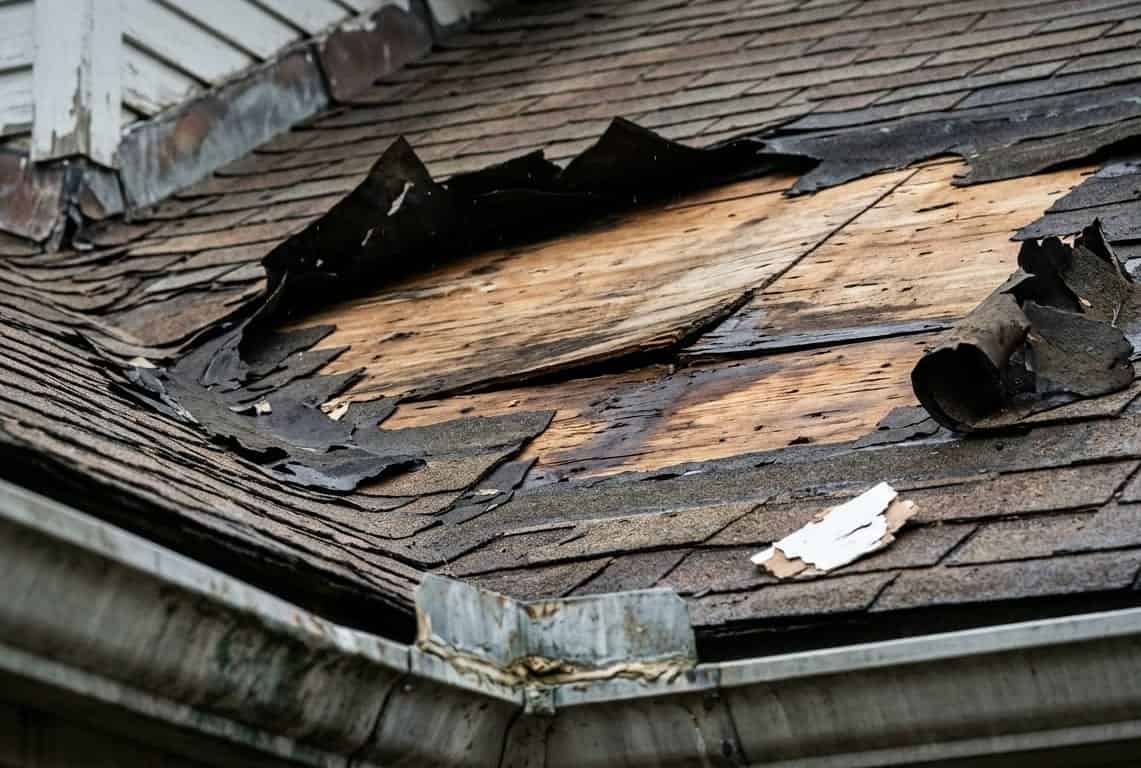
Homeowners should verify that replacement shingles or tiles match existing ones in quality and fire rating. Using inferior materials can void insurance coverage in future claims. Written confirmation of material specifications protects against substitutions that reduce durability.
Contractors must carry liability insurance and workers compensation coverage. This protects homeowners if a worker is injured on the property or if damage occurs to the house during repairs. Before work begins, request proof of insurance and confirm the policy remains active through the project end date. If a contractor suggests the homeowner file an insurance claim for the repairs, the agreement should clearly state how any insurance proceeds will be handled. Laws generally prohibit contractors from steering claims in ways that benefit them at the homeowner expense.
What if disputes come up?
When problems surface after repair work, homeowners can start by sending a written notice to the contractor detailing the issue and requesting correction within a reasonable time. Many states require this step before filing a formal complaint. Keeping records of all communication strengthens the case.
If the contractor fails to respond, options include:
– mediation through consumer protection agencies
– small claims court for smaller amounts
– an attorney who specializes in construction law for larger issues
Filing complaints with licensing boards can also trigger investigations that protect future customers.
Homeowners should never pay the full amount upfront. Standard practice involves an initial deposit followed by progress payments tied to completed stages. Final payment should wait until all inspections pass and the site is cleaned.
The decision to hire professionals matters greatly when roof issues appear. Working with an established company such as New Design Roofing can simplify the process because they understand permitting, warranties, and proper documentation. Clear communication and proper contracts reduce the chance of legal headaches later.
Additional Steps for Long-Term Protection
Regular roof inspections help catch small problems before they require major repairs. Documenting these checks creates a maintenance record that supports insurance claims if damage occurs. Homeowners should also review their policy annually to confirm coverage limits match current replacement costs.
When comparing bids, focus on the details rather than the lowest price alone. A significantly lower bid often signals shortcuts in materials or labor that could lead to future failures. Laws encourage informed choices by requiring contractors to disclose any subcontracting arrangements.
Staying organized with paperwork and following the steps outlined in consumer statutes helps avoid costly mistakes.